
The Impact of Technology on Modern Accounting Practices


The Evolution of Accounting Through Technology
The accounting industry has undergone a significant transformation with the advent of technology. From manual bookkeeping to sophisticated software solutions, technology has streamlined processes, reduced errors, and enhanced efficiency. The days of ledger books and manual calculations are long gone, replaced by digital solutions that offer real-time data and insights.
Automation and Efficiency
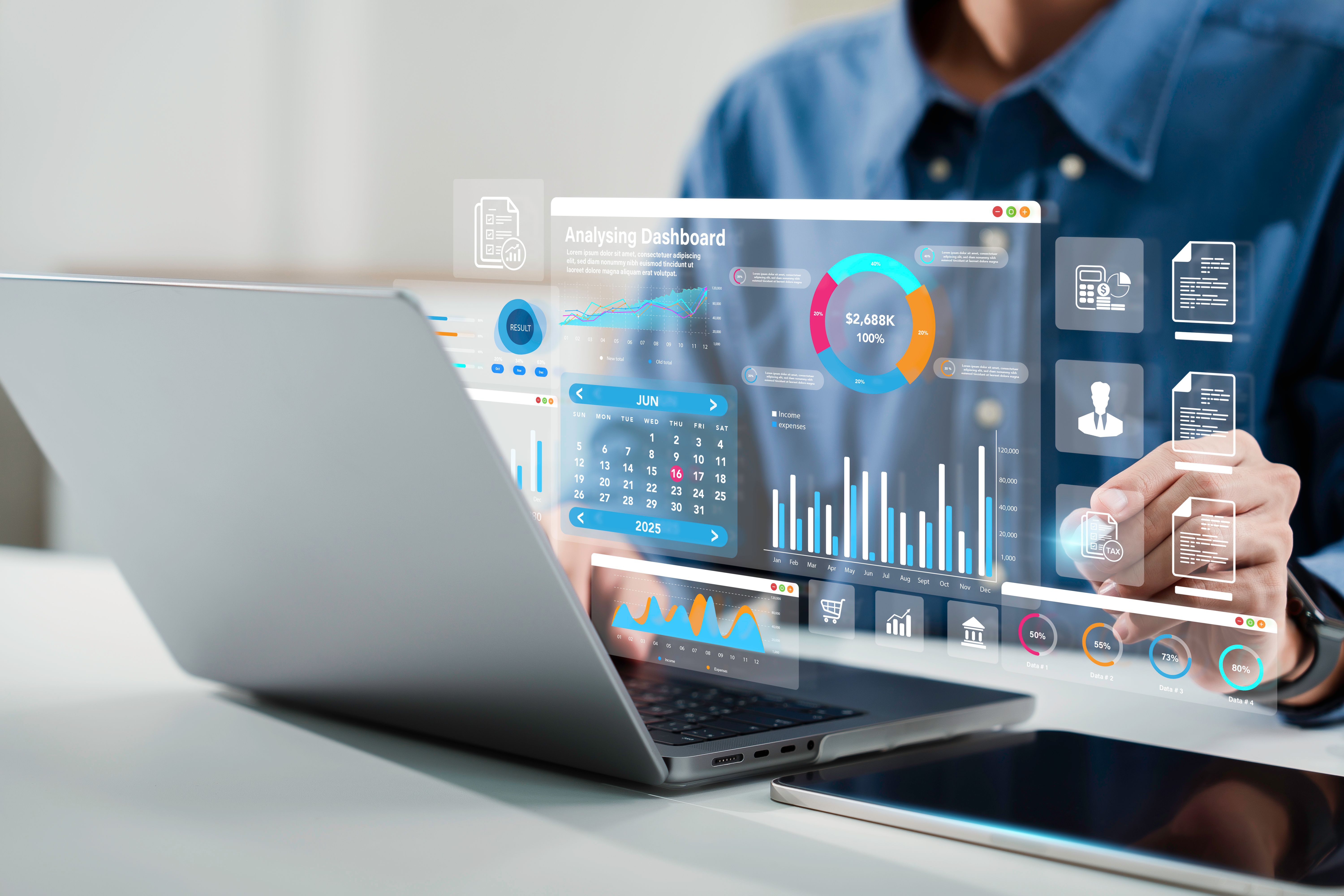
One of the most significant impacts of technology on accounting is the automation of repetitive tasks. Automation software handles data entry, calculations, and report generation, freeing up accountants to focus on more strategic activities. This shift not only reduces human error but also increases productivity.
Technological advancements allow businesses to process large volumes of transactions quickly and accurately. This capability is crucial for businesses that need to stay agile and responsive in a fast-paced market.
Cloud Computing Revolution
Cloud computing has revolutionized how accounting firms manage data. With cloud-based accounting systems, businesses can access their financial data from anywhere, at any time, ensuring flexibility and convenience. These systems also offer enhanced security features, protecting sensitive financial information from breaches.

Furthermore, cloud solutions facilitate real-time collaboration among team members and clients, allowing for more efficient communication and decision-making.
Enhanced Data Analysis
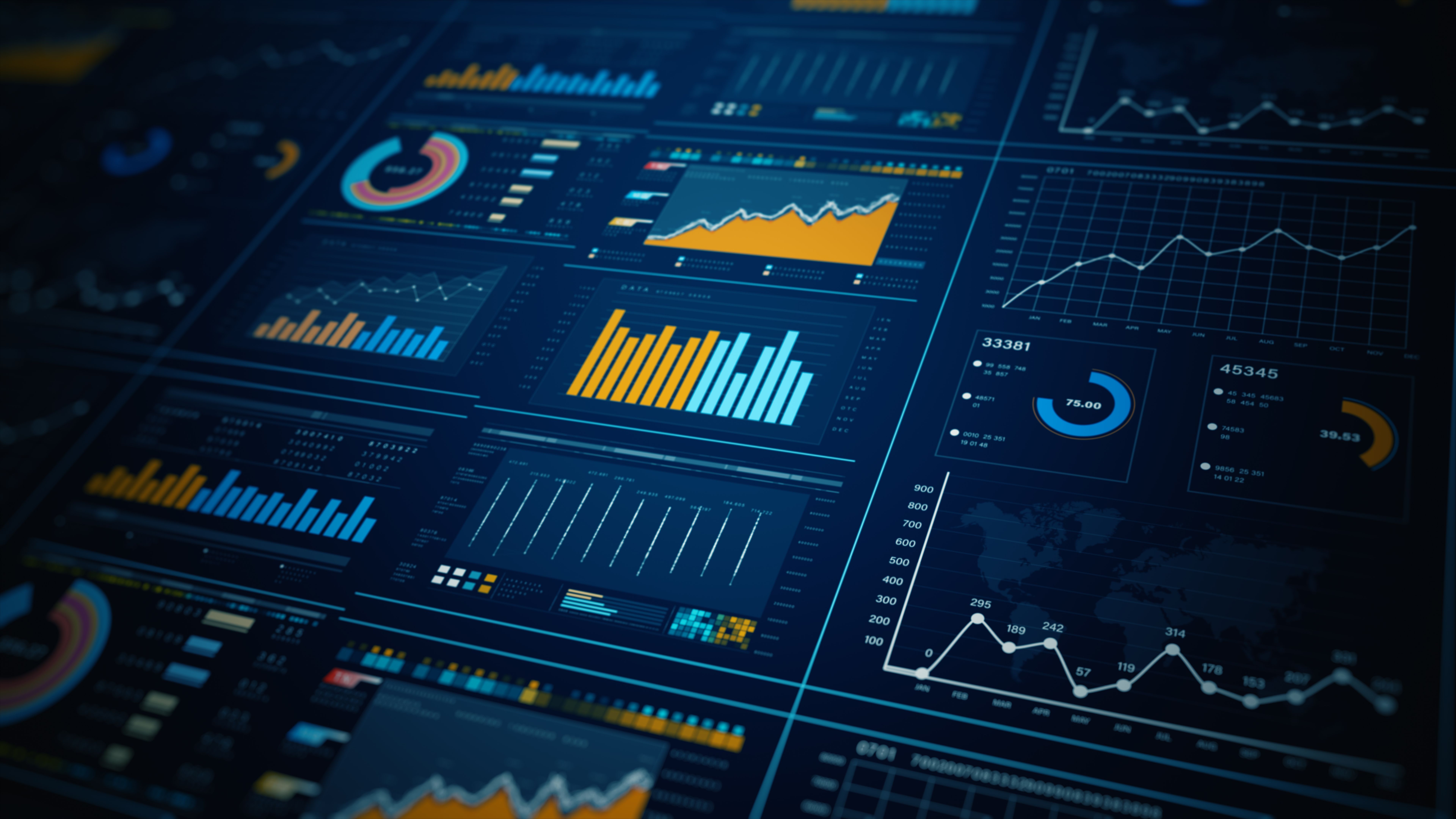
Modern accounting practices leverage data analytics to provide deeper insights into financial performance. Advanced analytics tools enable accountants to identify trends, forecast future performance, and make data-driven decisions. This capability is invaluable for businesses aiming to maintain a competitive edge.
Data visualization tools, such as dashboards and interactive reports, help present complex financial information in an easily digestible format, aiding stakeholders in understanding the company's financial health.
Integration with Other Business Functions
Today's accounting systems can integrate seamlessly with other business functions such as sales, inventory management, and human resources. This integration ensures that all departments work with consistent data, reducing discrepancies and improving overall business operations.
By having a holistic view of the organization, accountants can provide more comprehensive financial advice and support strategic planning initiatives.
Continuous Learning and Adaptation
As technology continues to evolve, accountants must stay updated with the latest tools and trends. Continuous learning and adaptation are essential to remain relevant in the industry. Many firms invest in training programs to ensure their teams are proficient in the latest software and methodologies.
The future of accounting is undoubtedly shaped by technology, and embracing these changes is crucial for success in the modern business landscape.