Comprehensive Guide to Accounting for Small Businesses in Australia


Understanding the Basics of Accounting
For small businesses in Australia, accounting is a crucial component of financial management. It involves recording, summarizing, and analyzing financial transactions. A solid understanding of accounting helps business owners make informed decisions, manage cash flow efficiently, and comply with legal obligations.

Setting Up Your Accounting System
Before diving into accounting, it's essential to set up a reliable accounting system. This may include choosing between cash or accrual accounting methods. The cash method records transactions when money changes hands, while the accrual method records them when they are incurred. Selecting the right method depends on your business type and future goals.
Choosing Accounting Software
Investing in accounting software can streamline your financial processes. Popular options like Xero, MYOB, and QuickBooks offer features tailored to Australian small businesses. These tools help automate invoicing, payroll, and reporting, saving time and reducing errors.

Understanding Financial Statements
Financial statements are vital tools for assessing the health of your business. The three main types are the balance sheet, income statement, and cash flow statement. Each provides unique insights:
- Balance Sheet: Shows assets, liabilities, and equity.
- Income Statement: Reflects revenue, expenses, and profit.
- Cash Flow Statement: Tracks cash inflow and outflow.
Tax Obligations and Compliance
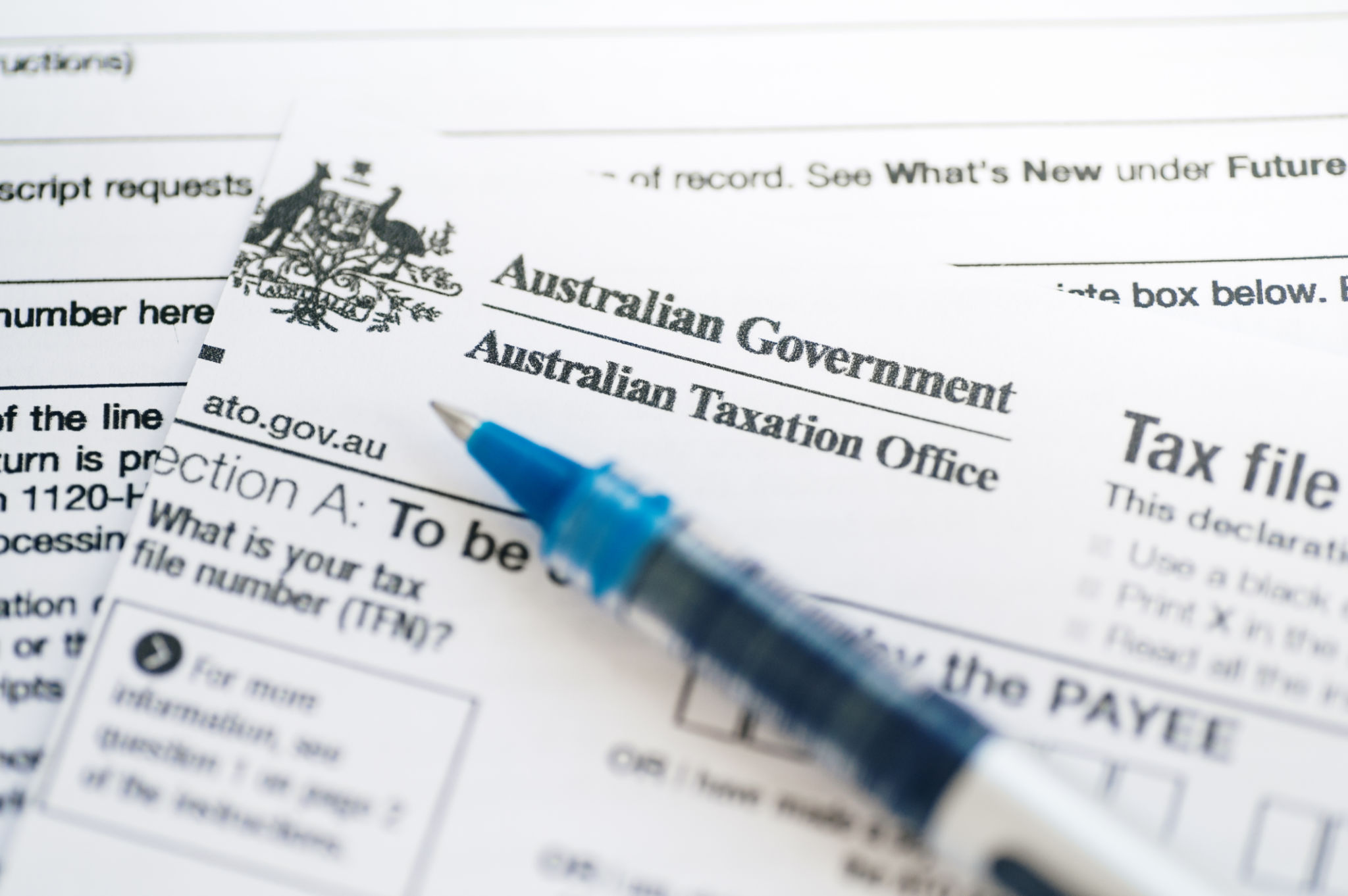
In Australia, small businesses must comply with various tax obligations, such as GST, PAYG withholding, and superannuation. It's crucial to understand the Australian Taxation Office (ATO) requirements and deadlines to avoid penalties. Consulting with a tax professional can ensure compliance and optimize tax strategies.
Managing Payroll
Payroll management is another critical aspect of accounting. It involves calculating employee wages, withholding taxes, and ensuring superannuation contributions. Using payroll software can simplify these tasks and ensure accuracy, keeping your business compliant with Fair Work regulations.
Budgeting and Forecasting
Effective budgeting and forecasting are essential for financial planning. Creating a budget helps set financial goals and monitor performance, while forecasting predicts future financial trends. Both tools are invaluable for making strategic decisions and ensuring business sustainability.

Hiring Professional Help
While many small business owners manage their accounting, hiring a professional accountant or bookkeeper can offer expert insights and save time. They can provide strategic advice, handle complex transactions, and ensure compliance with regulations.
Continuous Learning and Adaptation
The world of accounting is continually evolving, with new regulations and technologies emerging. Staying informed through workshops, courses, and industry news helps small business owners adapt to changes and maintain efficient financial practices.